

Category Archives: Bio-decontamination

How to Validate Portable VPHP Bio-Decontamination Before Field Deployment
Validation is what turns a portable VPHP device into a deployable biosafety control. In a...
1 Comment
Sep
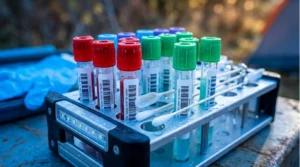
From Field to Laboratory: Why Aseptic Sample Collection and Decontamination Are the Weakest Link in One Health Surveillance
One Health surveillance depends on a chain: field sampling, transport, and laboratory reception. The science...
May

Biocontainment at BSL-2 and BSL-3: The Decontamination Gap No One Talks About
Biocontainment is built on physical barriers, negative pressure, HEPA filtration, sealed penetrations, and biological safety...
May

Biosafety in the Laboratory: What the Standards Actually Require, and Where VHP Fits
A practical guide to the biosafety requirements of the BMBL 6th edition, the WHO Laboratory...
May

Biosecurity and Biological Risk Management: From Compliance to Operational Readiness
Biosafety prevents accidental exposure. Biosecurity prevents intentional misuse. Both depend on decontamination. This article examines the...
May

Vaporization vs. Nebulization: The Definitive Guide to Superior Bio-Decontamination
In critical environments like life sciences, healthcare, and pharmaceuticals, maintaining sterility is paramount. The battle...
Mar